Mornings do not have to feel rushed or complicated. A few small changes can make it easier to get ready, find what you need, and begin the day with a clear mind. The key is to reduce the number of decisions you need to make before you leave home or start your work.
You do not need a perfect routine. Instead, focus on practical habits that save time and make your morning feel more predictable. Try one or two ideas at first, then build from there.
Prepare the Night Before
A smoother morning often starts in the evening. Spending a few minutes preparing can remove several tasks from your morning schedule.
Choose Your Clothes
Set out your clothes before going to bed. Include everything you plan to wear, such as socks, shoes, and accessories. If the weather may change, place a backup layer nearby.
To make this even easier, organize your closet by outfit combinations or by type of clothing. This can help you choose quickly without searching through drawers or hangers.
Pack What You Need
Place your work bag, school bag, keys, wallet, and other essentials in one location. If you take lunch or snacks with you, prepare them in advance and store them where they are easy to grab.
A small basket or shelf near the door can serve as a launch spot. Everyone in the household can use it for items they need to take when leaving.
Review the Next Day
Take a quick look at your calendar before bed. Note appointments, errands, travel time, or special tasks that may affect your morning. This simple check can prevent surprises and help you decide what needs to be ready in advance.
Create a Simple Morning Checklist
A short checklist can keep you moving without requiring much thought. Write down the basic steps you want to complete, such as:
– Get dressed
– Drink water
– Eat breakfast
– Pack your bag
– Check the weather
– Review your schedule
– Leave by a certain time
Keep the list short and realistic. If it has too many steps, it may feel like another chore. You can place it on a note near your bedroom door, bathroom mirror, or kitchen counter.
Once the routine becomes familiar, you may no longer need the checklist. Until then, it can help you stay on track.
Give Yourself a Time Buffer
Build a small amount of extra time into your morning. Even 10 or 15 minutes can make a difference when something unexpected happens.
A buffer can cover a missing item, a delayed bus, a longer-than-usual breakfast, or a quick household task. Without extra time, one small delay can make the entire morning feel rushed.
To find a useful buffer, track how long your routine usually takes for a few days. Then add a little extra time instead of guessing. This will give you a more realistic schedule.
Keep Breakfast Simple
Breakfast does not need to be elaborate. Choose a few easy options that require little preparation. For example, you might keep ready-to-eat fruit, yogurt, oatmeal, toast, or cereal available.
You can also prepare parts of breakfast the night before. Wash fruit, portion ingredients, or set out plates and utensils. The goal is to make the first meal of the day easy to begin.
If you often skip breakfast because mornings are busy, keep a portable option available. A simple snack can be easier to manage on days when you have limited time.
Organize High-Traffic Areas
Clutter near the door, in the kitchen, or in the bathroom can slow you down. Look at the places you use most in the morning and remove anything that does not belong there.
Try a Small Organization Station
Create a dedicated area for common morning items. This might include:
– Keys and wallet
– Bags and coats
– Shoes
– Sunglasses
– Reusable bottles
– Mail that needs attention
Use hooks, small trays, or labeled containers to keep everything visible. When an item has a regular home, it is easier to put it away and find it later.
Keep Daily Items Within Reach
Place frequently used items where you can access them quickly. For example, keep coffee supplies together, store everyday toiletries in one container, and place your most-used cooking tools near the counter.
This does not mean everything must be perfectly arranged. It simply reduces unnecessary searching during busy moments.
Limit Early Decisions
Too many decisions can make mornings feel tiring before the day has really started. Create a few default choices to simplify your routine.
You might choose a standard weekday breakfast, prepare a small selection of work outfits, or use the same place for your morning essentials. You can still make different choices when you want to, but default options save time on ordinary days.
Another helpful approach is to group similar tasks. For example, check the weather and your calendar at the same time, or prepare your bag while breakfast is being made.
Use Technology Carefully
Technology can support a smoother morning, but it can also create distractions. Use alarms, reminders, and calendar notifications to help with timing rather than filling every quiet moment with screen time.
Consider placing your phone away from your bed so you need to get up to turn off the alarm. If checking messages tends to make you lose track of time, wait until after you are dressed or have finished breakfast.
You can also set reminders for tasks such as taking out the trash, bringing a document, or watering plants. A short reminder can prevent last-minute scrambling.
Build a Flexible Routine
A useful routine should work on both ordinary and difficult days. Create a shorter version for mornings when you wake up late or have less energy.
Your basic routine might include getting dressed, washing up, eating something simple, and gathering your essentials. Everything else can be optional when time is limited.
It also helps to plan for common disruptions. Keep an extra charger, umbrella, or basic supply in a convenient place. Small preparations can make unexpected situations easier to handle.
Make the Morning More Pleasant
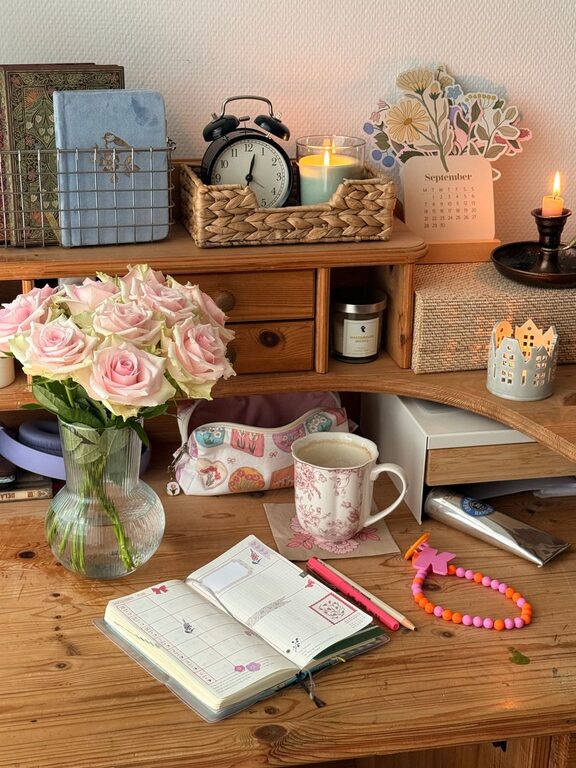
Efficiency is helpful, but mornings should not feel like a race. Add one small activity that helps you enjoy the start of the day. You might open the curtains, play quiet music, spend a few minutes reading, or sit with a warm drink.
Keep this activity short enough that it does not interfere with your schedule. Even a small pleasant moment can make the routine feel more balanced.
Start With One Change
You do not need to redesign your entire morning at once. Choose the part that causes the most trouble and make one adjustment.
If you often lose your keys, create a place for them. If you run out of time choosing clothes, plan outfits in advance. If breakfast is difficult, keep a few simple options ready.
Small improvements are easier to maintain than major changes. After a week, review what is working and make another adjustment if needed. Over time, these simple habits can turn rushed mornings into calmer, more manageable starts to the day.
About the Author