A workspace should be more than a place to complete tasks. When it feels comfortable and reflects your personality, you may find it easier to settle in, stay organized, and enjoy your daily routine. Personalizing your workspace does not require a major renovation or a large budget. Small, thoughtful changes can make a noticeable difference.
Whether you work from home, study, or use a shared office, these simple ideas can help you create a space that feels practical and personal.
Start With a Clean Slate
Before adding decorations or accessories, take a few minutes to clear your workspace. Remove items you no longer use and place necessary supplies where they are easy to reach.
A clean surface gives you more room to work and makes it easier to decide what belongs in the space. Sort your belongings into three groups:
– Items you use every day
– Items you use occasionally
– Items you no longer need at your desk
Keep daily essentials nearby, store occasional items in a drawer or cabinet, and move unnecessary objects elsewhere. This simple reset can make the rest of your personalization easier.
Choose a Color Theme
Color is one of the easiest ways to give a workspace a distinct look. You do not need to repaint the room. Instead, choose two or three colors for small items such as notebooks, folders, a desk mat, or a lamp.
Consider the feeling you want your workspace to create:
– Soft neutrals can create a calm, simple setting
– Blue and green shades can add a fresh, natural feel
– Warm colors can make the space feel welcoming
– Black, white, or gray can create a clean, modern appearance
– Bright accent colors can add energy without overwhelming the room
If your workspace is shared, use removable items such as accessories, artwork, or desk organizers. This allows you to personalize the area without making permanent changes.
Add Meaningful Decorations
Personal decorations can make your workspace feel more connected to you. Choose items that bring a pleasant memory, reflect your interests, or simply make you smile.
You might add:
– A framed photo
– A small piece of artwork
– A favorite quote
– A postcard from a memorable trip
– A handmade item
– A small collection of objects
Try to keep decorations limited to a few meaningful pieces. Too many items can take up useful space and make the desk feel crowded. A small display area, shelf, or pinboard can help keep personal items organized.
Bring in a Plant
Plants can add color and natural texture to a workspace. If your desk receives enough light, consider a small plant in a simple pot. Low-maintenance options are useful if you have a busy schedule or are new to plant care.
If a live plant is not practical, try one of these alternatives:
– A small artificial plant
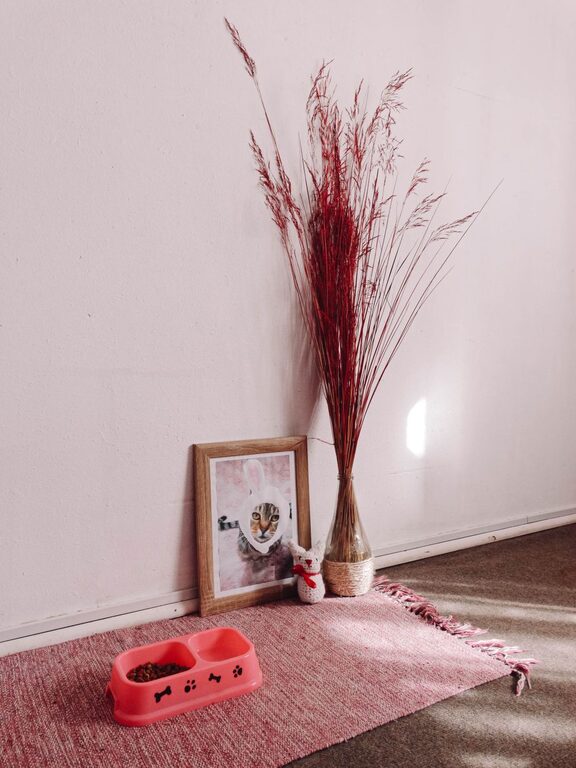
– A vase of dried flowers
– A nature-inspired print
– A decorative branch
– A container filled with smooth stones
Place plants where they will not interfere with your work or block your screen. A shelf or nearby stand can be a good option when desk space is limited.
Make Your Desk More Comfortable
Personalization should include comfort, not just appearance. Your chair, desk height, and screen position can affect how enjoyable it is to spend time in the space.
Consider adding:
– A supportive chair cushion
– A soft desk mat
– A footrest
– A monitor stand
– A wrist rest
– A comfortable desk lamp
Keep your screen at a convenient height and position your frequently used items within easy reach. Small adjustments can help your workspace feel more natural and less tiring throughout the day.
Use Lighting to Set the Mood
Lighting can change the entire feel of a workspace. If possible, place your desk near a source of natural light. Keep the area bright enough for reading and writing, but avoid placing your screen directly in front of a window if it creates glare.
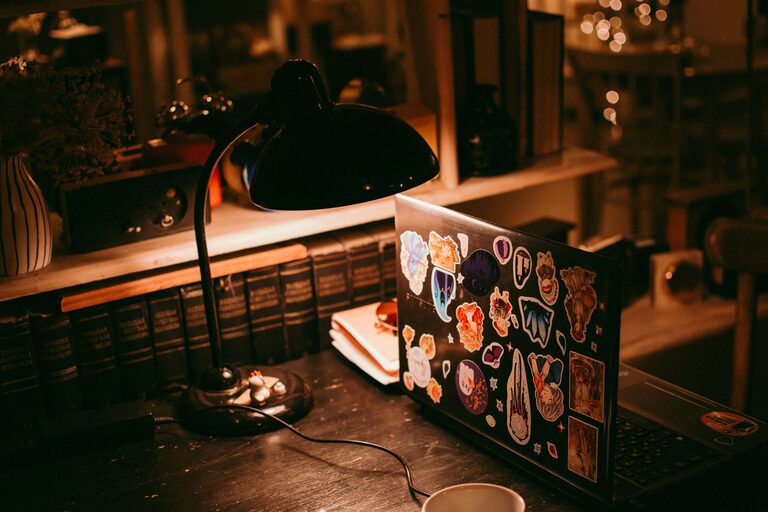
A desk lamp can add both function and style. Look for a lamp that matches your color theme or has a shape that suits your taste. Adjustable lamps are especially useful because they allow you to direct light where it is needed.
You can also use a small accent light to create a warmer atmosphere. Choose lighting that supports your routine without making the space feel overly bright or distracting.
Personalize Your Organization
Desk organizers do not have to be plain or purely functional. Choose storage items that match your style and make your daily tasks easier.
Useful options include:
– Matching trays for papers
– Small containers for pens and cables
– A colorful file holder
– A wall organizer
– Labeled boxes
– A drawer divider
You can also reuse attractive containers, such as cups, jars, or small boxes, to hold supplies. Group similar items together so you can find them quickly. For example, keep writing tools in one container and charging accessories in another.
A personalized organization system should fit the way you work. If you often use certain supplies, place them in the most accessible location.
Display Your Goals and Ideas
A visible planning area can make your workspace feel more useful and motivating. Use a small whiteboard, corkboard, or wall calendar to display reminders, ideas, and short-term goals.
Keep the display simple by including only information that is currently helpful. You could add:
– A weekly task list
– Important dates
– Project notes
– Creative ideas
– A simple daily schedule
– Encouraging messages
Refresh the display regularly so it remains relevant. An outdated board can quickly become visual clutter.
Upgrade Small Details
You do not need to replace all your office equipment to create a new look. Focus on small details that are easy to change.
Try updating:
– Your mouse pad
– Keyboard cover
– Notebook
– Pen set
– Cable ties
– Water bottle
– Desk calendar
– Laptop sleeve
These items are often inexpensive and can make the space feel more coordinated. Choose accessories that are useful as well as attractive so your workspace remains practical.
Create a Sound Environment
Sound can influence how a workspace feels. Some people prefer quiet, while others enjoy soft background noise. If your environment is distracting, consider using headphones, a fan, or gentle background music.
You can also create a small audio routine for different types of work. For example, use quiet background sound while reading and more energetic music during routine tasks. Keep the volume at a comfortable level and choose sounds that help you focus rather than compete for your attention.
Leave Room to Change
Your workspace does not need to stay the same all year. Personal preferences, projects, and routines change over time. Leave some open space so you can adjust the area when needed.
You might create a seasonal update by changing:
– Desk accessories
– Artwork
– Plant pots
– Colors
– A calendar
– Decorative objects
A flexible workspace can feel fresh without requiring a large investment. Small changes also give you a chance to remove items that are no longer useful.
Build a Space That Works for You
The best personalized workspace balances appearance, comfort, and function. Start with a clean surface, choose a simple color theme, and add a few items that reflect your personality. Then improve the lighting, organization, and comfort of the space.
Avoid trying to copy someone else’s setup exactly. A workspace should support your habits and fit the way you use it. With a few thoughtful updates, you can create an area that feels organized, welcoming, and distinctly your own.
About the Author