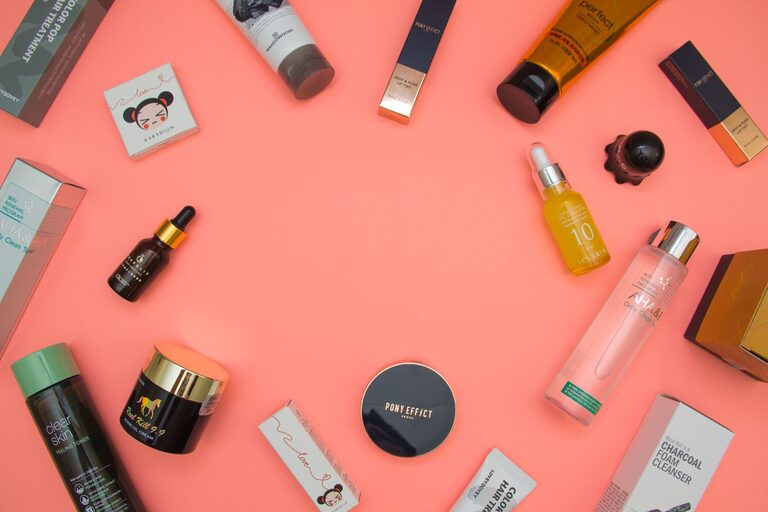
A basic skincare routine does not need to include a long list of products. In most cases, a few well-chosen essentials used consistently can help keep your skin clean, comfortable, and protected.
The best routine is one that fits your skin type, schedule, and budget. Starting with the basics also makes it easier to understand how your skin responds to each product.
The Three Essential Steps
A simple routine has three main steps:
- **Cleanse** to remove dirt, excess oil, sweat, and makeup.
- **Moisturize** to support comfortable, hydrated skin.
- **Protect** with sunscreen during the day.
These steps can be used by most beginners. Additional products, such as exfoliants or serums, are optional and can be added later if needed.
Step 1: Choose a Gentle Cleanser
A cleanser removes buildup from the skin without leaving it feeling overly dry or tight. Use it in the morning, at night, or both, depending on your skin and daily activities.
What to Look For
When choosing a cleanser, consider its texture and how your skin feels afterward:
– Cream or lotion cleansers may suit dry or easily irritated skin.
– Gel cleansers often work well for normal or oily skin.
– Foaming cleansers can remove excess oil, but some may feel drying.
– Micellar water can help remove light makeup or surface buildup.
Look for a product described as gentle, fragrance-free, or suitable for sensitive skin if you are unsure where to begin. Avoid using very hot water, which can leave skin feeling dry. Lukewarm water is a better choice.
Apply cleanser with clean hands, using light circular motions. Rinse thoroughly and pat your face dry with a clean towel instead of rubbing.
Step 2: Add a Moisturizer
Moisturizer helps reduce dryness and supports the skin’s natural protective barrier. Even oily skin can benefit from moisturizing because overly dry skin may feel uncomfortable and look dull.
Selecting the Right Texture
– Light lotions or gels are often comfortable for oily or combination skin.
– Creams may be better for dry skin.
– Thicker balms or ointments can help areas that become especially dry, such as the cheeks, hands, or around the nose.
Apply moisturizer after cleansing while your skin is slightly damp. This can help lock in moisture and make the product easier to spread.
If you are prone to clogged pores, look for products labeled noncomedogenic. This term generally means the product is designed not to block pores, although individual reactions can still vary.
Step 3: Use Sunscreen in the Morning
Sunscreen helps protect exposed skin from ultraviolet rays. It is an important daytime step whether you are spending time outdoors or simply going about your usual activities.
Choose a broad-spectrum sunscreen with an SPF of 30 or higher. Apply it as the last step of your morning routine, after moisturizer. Use enough to cover the face, neck, ears, and other exposed areas. Reapply as directed on the product label, especially after sweating, swimming, or spending extended time outdoors.
Sunscreen is available in different textures, including lotions, creams, gels, and sticks. If you dislike the feel of one formula, try another type. A sunscreen you enjoy using is more likely to become a regular part of your routine.
A Simple Morning Routine
A basic morning routine can be as simple as:
- Cleanser, if needed
- Moisturizer
- Sunscreen
If your skin feels comfortable after washing, you may not need a cleanser every morning. Some people prefer to rinse with water and save cleansing for the evening.
A Simple Evening Routine
At night, focus on removing the day’s buildup and keeping your skin comfortable:
- Remove makeup or sunscreen
- Cleanse
- Apply moisturizer
If you wear makeup, remove it before cleansing. A makeup remover or cleansing balm can help loosen makeup, followed by a gentle cleanser to clean the skin.
Understand Your Skin Type
Your skin type can change with the weather, age, environment, and product choices. It is also possible to have different needs in different areas of your face.
Common Skin Types
– Normal skin: Usually feels balanced and comfortable.
– Dry skin: May feel tight, rough, or flaky.
– Oily skin: Often looks shiny and may produce more oil during the day.
– Combination skin: May be oily in some areas and dry in others.
– Sensitive skin: May become uncomfortable, red, or irritated easily.
Skin type is only a starting point. Pay attention to how products feel and how your skin responds over time.
Add New Products Slowly
Once you are comfortable with cleanser, moisturizer, and sunscreen, you may want to try an additional product. Common options include a gentle exfoliant, hydrating serum, or targeted treatment.
Add only one new product at a time. Use it for several days or weeks before introducing something else. This makes it easier to identify which product is helping or causing discomfort.
Patch Test First
Before applying a new product to your entire face, test a small amount on a less noticeable area, such as the inner arm or along the jawline. Follow the product directions and observe the area for a day or two.
Stop using a product if you experience ongoing burning, swelling, a rash, or significant discomfort. If skin problems continue or concern you, consider speaking with a qualified skin care professional.
Common Beginner Mistakes
A few habits can make a routine less comfortable or less effective:
– Using too many products at once
– Scrubbing the skin aggressively
– Washing with very hot water
– Skipping sunscreen during outdoor activities
– Changing products too frequently
– Using products that leave the skin painfully tight
– Forgetting to clean makeup brushes and reusable tools
More products do not always mean better results. Consistency and gentle application are usually more useful than a complicated routine.
Give Your Routine Time
Skin may not look different immediately after starting a routine. Allow time for your skin to adjust, and focus on whether it feels clean, comfortable, and properly moisturized.
Keep your routine simple for several weeks before making major changes. Store products as directed, check expiration guidance, and keep containers clean. With a few dependable products and regular use, you can create a practical skincare routine that is easy to maintain.
About the Author