Taking care of yourself does not have to involve expensive products, memberships, or elaborate plans. Many helpful self-care activities use things you already have at home, such as a comfortable chair, a favorite book, or a few quiet minutes.
The goal of self-care is to create space for rest, enjoyment, and everyday balance. Try the ideas below and choose the ones that feel realistic for your schedule, energy, and budget.
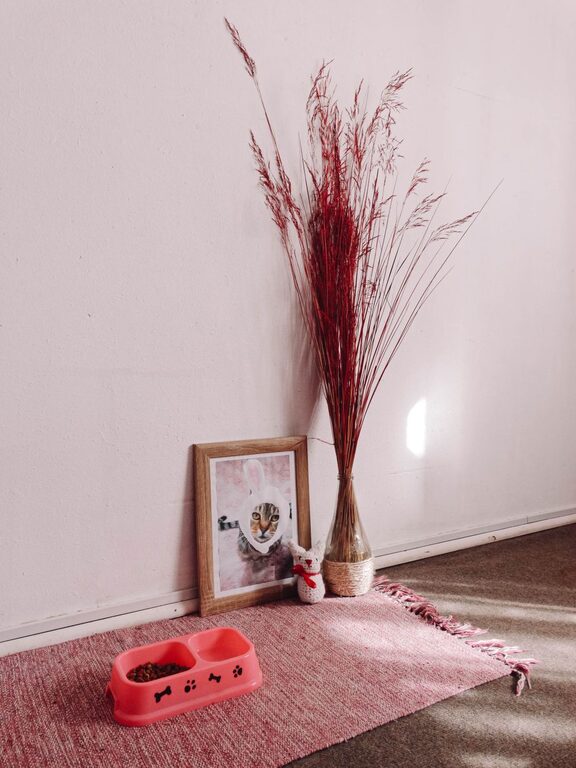
Create a Calm Corner
A dedicated space can make it easier to slow down, even if you live in a small home. Choose a chair, a section of the couch, or a spot near a window. Keep it simple and comfortable.
You might add:
– A blanket or pillow
– A book or magazine
– A notebook and pen
– Headphones for music or calming sounds
– A glass or bottle of water
– A small plant or favorite object
You do not need to buy anything new. Rearranging items you already own can make the space feel fresh. Keep the area tidy enough that it feels inviting, but do not worry about making it perfect.
Enjoy a Simple At-Home Spa
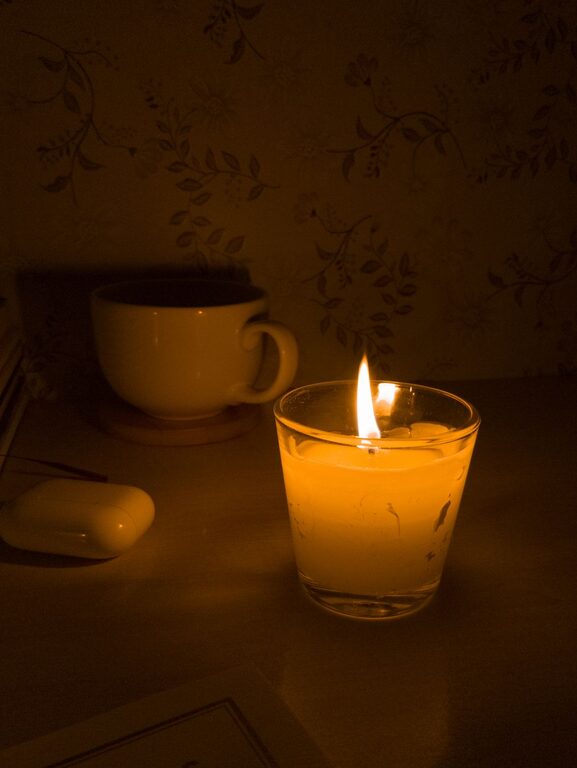
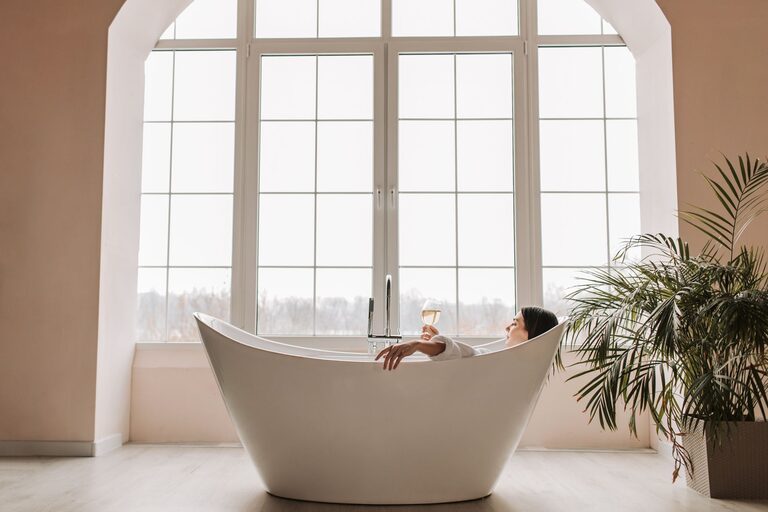
A relaxing routine can be created with basic household items. Run a warm bath or take a longer shower if that feels enjoyable. Play soft music, dim the lights, or use a clean towel warmed in the dryer for a few minutes.
Other simple ideas include:
– Washing your face slowly and gently
– Applying a moisturizer you already have
– Soaking your hands or feet in warm water
– Brushing your hair and changing into comfortable clothes
– Making a cup of tea or another favorite drink
Focus on the experience rather than buying special products. A few quiet minutes of attention can make an ordinary routine feel more soothing.
Try a Screen-Free Break
Screens are useful for work, communication, and entertainment, but taking a short break can help you feel more present. Start with 10 or 15 minutes and place your phone in another room or turn on a quiet mode.
During the break, you could:
– Sit by a window
– Stretch gently
– Look through a photo album
– Listen to music
– Fold laundry mindfully
– Make a simple snack
– Watch the clouds or notice sounds around you
There is no need to turn the break into a strict challenge. The purpose is simply to give your attention a different place to rest.
Make Time for a Favorite Hobby
Hobbies do not have to be expensive or highly productive. Choose an activity that feels enjoyable rather than something you think you should master.
Low-cost hobbies include:
– Drawing with pencils or pens
– Coloring
– Writing short stories or poems
– Cooking from ingredients already in your kitchen
– Learning simple songs
– Puzzles and word games
– Organizing photos
– Gardening with cuttings or seeds
– Repairing or repurposing an old item
If you have limited time, set a small goal. Read five pages, sketch for 10 minutes, or complete one section of a puzzle. Small sessions can still provide a satisfying change of pace.
Practice Gentle Movement
Movement can be a useful way to break up a long day at home. It does not need to be intense or require special equipment. Put on music and move around the room, walk in place, or follow a free beginner-friendly video.
You can also try simple options such as:
– Stretching while listening to a podcast
– Walking around your home during breaks
– Doing a few relaxed mobility exercises
– Dancing to two or three favorite songs
– Completing light household tasks at an easy pace
Choose activities that feel comfortable for you, and stop if something causes pain or discomfort. The aim is to refresh your body and mind, not to meet a demanding fitness goal.
Have a Cozy Reading Hour
Reading can offer a peaceful break from daily responsibilities. Choose something that matches your mood. A novel, comic, cookbook, essay collection, or old favorite can all work.
To make the time feel special:
- Put your phone out of reach.
- Prepare a drink or small snack.
- Set a timer for 20 to 30 minutes.
- Sit somewhere comfortable.
- Read without worrying about how quickly you progress.
If you do not have new books, check your local library, borrow one from a friend, or revisit a book you already own. Many libraries also provide free digital books and audiobooks.
Write to Clear Your Thoughts
Writing can help you pause and notice what is on your mind. You do not need a polished journal or a particular writing style. Use any notebook, scrap paper, or notes app.
Try one of these prompts:
– What went well today?
– What is taking up most of my attention?
– What would make tomorrow a little easier?
– What is one thing I am looking forward to?
– What do I need more or less of this week?
You can also make a short list of tasks, thoughts, or ideas. Once they are written down, they may feel easier to review and organize.
Prepare a Comforting Meal
Cooking can be both practical and enjoyable. Instead of planning an elaborate recipe, make something familiar using ingredients you already have. Try a warm bowl of soup, a simple pasta dish, roasted vegetables, or a favorite breakfast served at an unusual time.
Make the process more relaxing by:
– Playing music or an audiobook
– Preparing ingredients before you begin
– Using your favorite plate or mug
– Sitting down to enjoy the meal without multitasking
– Saving leftovers for another easy meal
The focus is not on creating a perfect dish. It is about giving yourself a nourishing pause and enjoying the small details.
Build a Simple Evening Routine
A predictable evening routine can help signal that the day is winding down. Keep it short enough to maintain on busy days.
Your routine might include:
– Tidying one small area
– Preparing clothes for the next day
– Writing down tomorrow’s top priorities
– Washing up and changing into comfortable clothing
– Reading or listening to quiet music
– Turning off bright lights for a while
You do not need to follow the same routine every night. Select two or three actions that make the evening feel calmer and easier to manage.
Make Self-Care Fit Your Budget
Low-cost self-care works best when it is simple and repeatable. Before buying something new, ask whether you can adapt an activity with what you already have. A clean room, a favorite song, or a few quiet minutes may be more useful than another product.
Choose one small idea to try today. You might make a calm corner, take a screen-free break, or spend 15 minutes on a hobby. Over time, these small moments can become practical ways to rest, recharge, and make home feel more supportive.
About the Author